
How to Request a Private Autopsy?
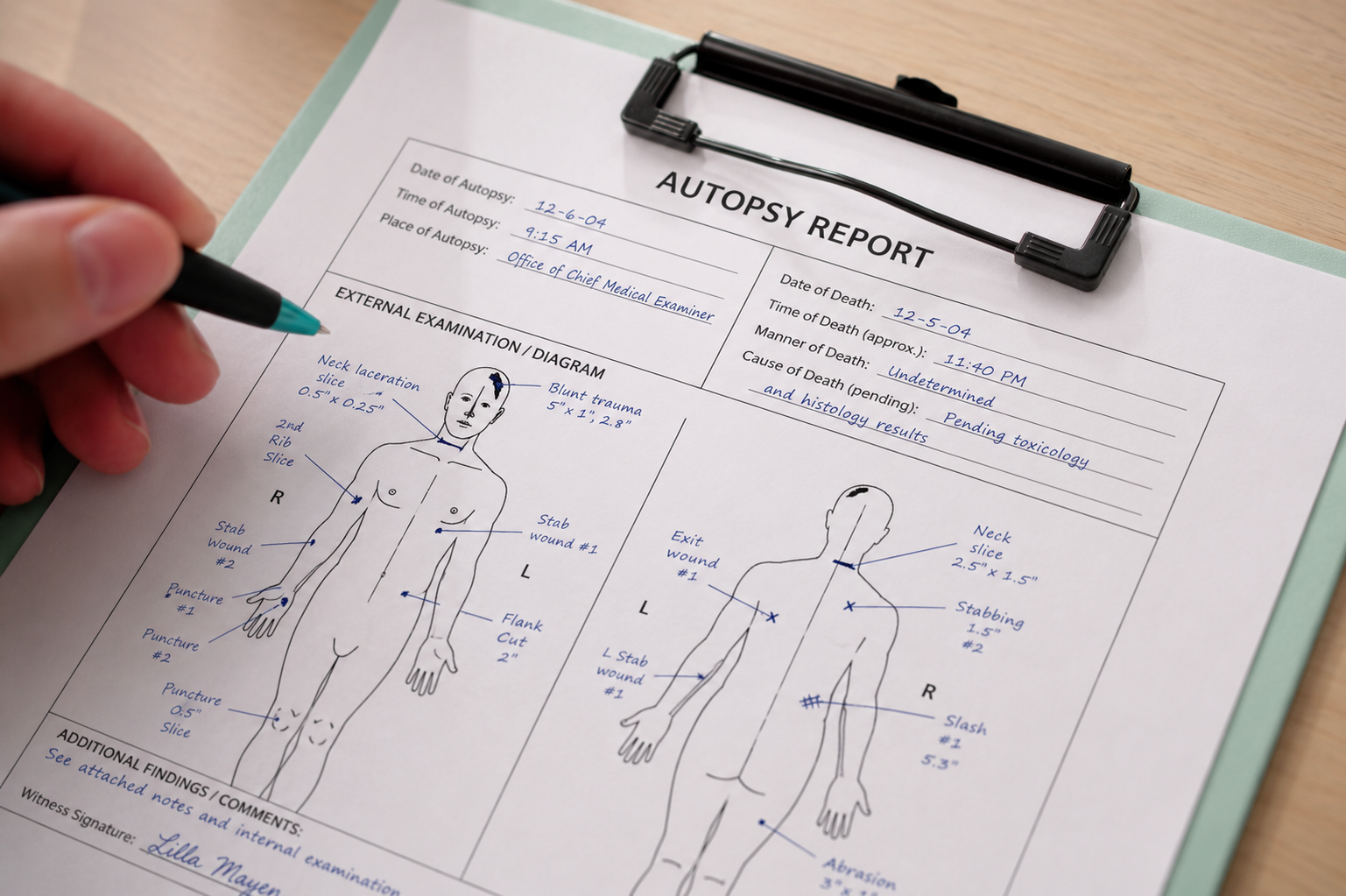
An autopsy is a detailed medical examination performed after death to determine the cause of death, identify underlying medical conditions, and document any injuries or diseases. Whether for legal reasons, medical clarity, family health concerns, or personal closure, understanding the autopsy process can help families make informed decisions.
When will the State perform an autopsy?
In Virginia, Maryland or Washington, DC, the Office of the Chief Medical Examiner investigates deaths that occur under certain circumstances. However, not every investigation results in an autopsy. The state may perform an autopsy when:
- The cause of death is unknown or unclear
- A death is sudden or unexpected
- An accident or traumatic injury is involved
- There is a suspected drug overdose
- Criminal activity or foul play is suspected
- The death presents a potential public health concern
In these cases, the Medical Examiner determines whether an autopsy is necessary. If the death appears to be from natural causes and there are no concerns requiring further investigation, the state will generally not perform an autopsy.
It is important to understand that when an autopsy is ordered by the Medical Examiner as part of an investigation, family consent is not required. The costs of the autopsy are covered by the state.
What is the state declines doing an autopsy?
Families can arrange a private autopsy through a qualified forensic pathologist if the state does not require one.
Why would a family request a private autopsy?
- Seeking answers and closure: An autopsy may provide valuable answers and peace of mind.
- Confirming a diagnosis: An autopsy may uncover medical conditions that were not diagnosed during life.
- Family health concerns: Certain diseases and conditions can be hereditary.
- Obtaining a second option: An independent forensic pathologist evaluation to review circumstances surrounding a death.
How do I find a private autopsy provider?
If you are considering a private autopsy, it is best to begin making arrangements as soon as possible by contacting a private forensic pathologists, independent autopsy services, or hospital-based pathology departments. At Carewell Cremations, we can help connect families with local forensic pathologists and private autopsy providers. Below are some local providers in Virginia, Washington, DC and Maryland that you can reach out to.
SC Forensic Pathology
Website: https://scforensicpathology.com/
EPIARX
Website: https://www.epiarx.com
Alpha Autopsy Services
Website: https://alphaautopsyservices.com/
Virginia Pathology & Autopsy Services
Website: https://virginiaautopsyservices.com/
How much does a private autopsy cost?
The cost of a private autopsy varies depending on the provider and the level of examination being performed. Generally, families can expect to pay between $3,000 and $9,000. There are also different levels of autopsy examinations available. Some families may choose a limited examination focused on a specific concern, while others request a comprehensive full-body autopsy.
The family or requesting party is generally responsible for the cost of a private autopsy.
Several factors can affect the cost, including:
- The complexity of the examination
- Specialized laboratory testing
- Toxicology studies
- Genetic testing
- Travel requirements for the forensic pathologist
- The type of report requested
When should an autopsy take place?
Timing is extremely important If a private autopsy is being considered, arrangements should be made as soon as possible after death. Ideally, the autopsy should be performed before embalming or other final preparations begin. The sooner the examination is completed, the more accurate and comprehensive the findings are likely to be.
If you are considering an autopsy, notify your funeral home, cremation provider, hospital, or hospice team immediately so appropriate arrangements can be made.
What happens during an autopsy?
Many families find comfort in understanding the process. A typical autopsy may include:
External Examination: The pathologist carefully examines the body for signs of injury, disease, or other physical findings.
Internal Examination: The internal organs are examined to identify disease, injury, or abnormalities that may have contributed to death.
Laboratory Testing: Tissue samples, blood, and other specimens may be collected for additional testing of Toxicology, Microscopic tissue examination, genetic studies, microbiology testing.
Most autopsies take only a few hours to complete, although specialized laboratory results can take several weeks The examination is conducted respectfully and professionally, and the body is returned to the family for funeral or cremation arrangements.
When will the results be available?
A preliminary report is often available within a few days. However, many final reports are completed within one to three months, though some cases may take longer. The timeline depends on toxicology testing, laboratory analysis, additional consultations, and the complexity of the case.
We’re Here to Help
Making decisions after the loss of a loved one can feel overwhelming. If you have questions about autopsies, cremation, or next steps after a death, Carewell Cremations is here to guide you with compassion and clarity.
Call Carewell Cremations at 571-300-2273 anytime. Our caring team is always available to answer questions and help families understand their options during a difficult time.
End of Life Planning & Resources
Subscribe to get our free End-of-Life Checklist
